

Comparative insight guides the first step for utility engineers who need gear that holds up on the moor and on the grid. Start by thinking of the inverter as the heart of a PV system — its choice affects system yield, reliability, and the way you pair a solar battery storage system with the array. This piece lays out direct contrasts between inverter classes, procurement pitfalls to avoid, and the clear trade-offs you’ll face when buying for utility-scale projects.
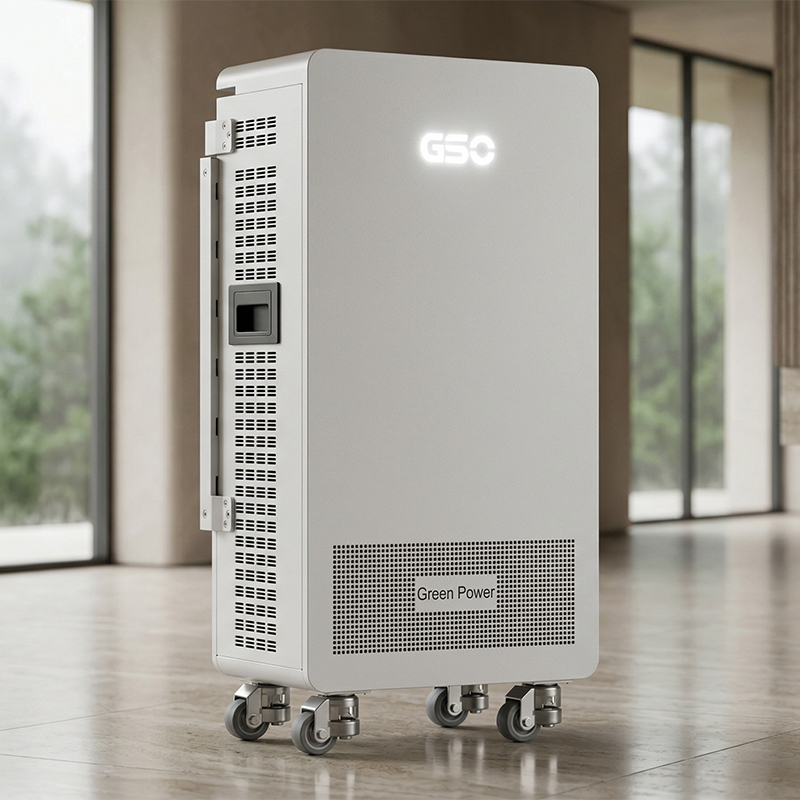
Where the Choices Sit: Central, String, and Hybrid Inverters
Central inverters deliver big kW blocks and simple maintenance routines; they suit large, uniform fields where shading is minimal. String inverters offer flexibility and higher granularity — useful on uneven terrain or mixed orientations. Hybrid inverters integrate battery management and can shave capex if you plan to marry generation and storage. Base comparisons on conversion efficiency, thermal performance, and ability to support MPPT under partial shading. Keep industry terms plain: inverter, MPPT, and BMS will be your steady measures.
Performance vs. Practicality: The Real Trade-Offs
High nameplate efficiency often sounds seductive, but thermal derating and field losses tell the true tale. A model rated at 98% under lab conditions might drop several points in sustained heat, or when DC/AC balance bars swing. Also mind the communication stack — open protocols like Modbus ease integration, whereas proprietary systems give vendor lock-in. Consider lifespan and parts availability alongside warranty clauses; an extra two years of supported firmware is worth coin when systems run for decades.
Lessons from the Field: A Real-World Anchor
Hornsdale Power Reserve in South Australia showed how fast-response storage and grid-tied inverters can stabilise a regional network after outages — a plain demonstration utility engineers already reference. The Reserve proved that rapid dispatch and reliable control matter as much as peak efficiency. When you source inverters, lean on proven grid service performance as a metric, not just rated specs.
Common Mistakes Utility Engineers Keep Making
Buying purely on lowest bid, or chasing a single headline efficiency figure, will sink projects. Under-sizing cooling or ignoring harmonic distortion limits cause field failures; underestimating real reactive power needs creates compliance headaches. Overlooking firmware update paths and spares distribution is another error — you’ll want a supplier who supports remote diagnostics. A wee tip: demand a field performance reference from a similar climate and load profile, not just vendor promises.
Procurement Checklist: Comparative Items to Evaluate
Use a short, practical list when issuing specs or RFPs:
– Rated and tested efficiency at operating temperature and at partial load.
– Reactive power and frequency response capabilities for grid support.

– Cooling design and derating curves for local ambient conditions.
– Communication protocols and remote firmware management.
– Spare parts lead times and local service network.
These points keep comparisons apples-to-apples and reduce surprises at commissioning.
Alternatives and How to Weigh Them
If the site is fragmented, string inverters beat central units on modularity. If you plan storage integration from day one, hybrid inverters simplify control and reduce cabling. If you need the cheapest initial cost per kW and have uniform arrays, central inverters still hold sway. Balance total cost of ownership against uptime targets — that’s the sensible yardstick.
Advisory: Three Golden Rules for Selection
1) Prioritise field-proven grid services and thermal performance over peak lab efficiency. 2) Specify open communication and a clear firmware/parts roadmap to avoid vendor lock-in. 3) Match inverter topology to site variability and future storage plans — this reduces retrofit costs.
Make these rules your baseline and you’ll avoid rework and added expense — the sort that haunts project closeouts.
Final thought — clear procurement thinking connects design to operations, and that’s where value is realised; gsopower. —